
Signs of Mold After a Flood: What Property Owners in Marietta Should Look For
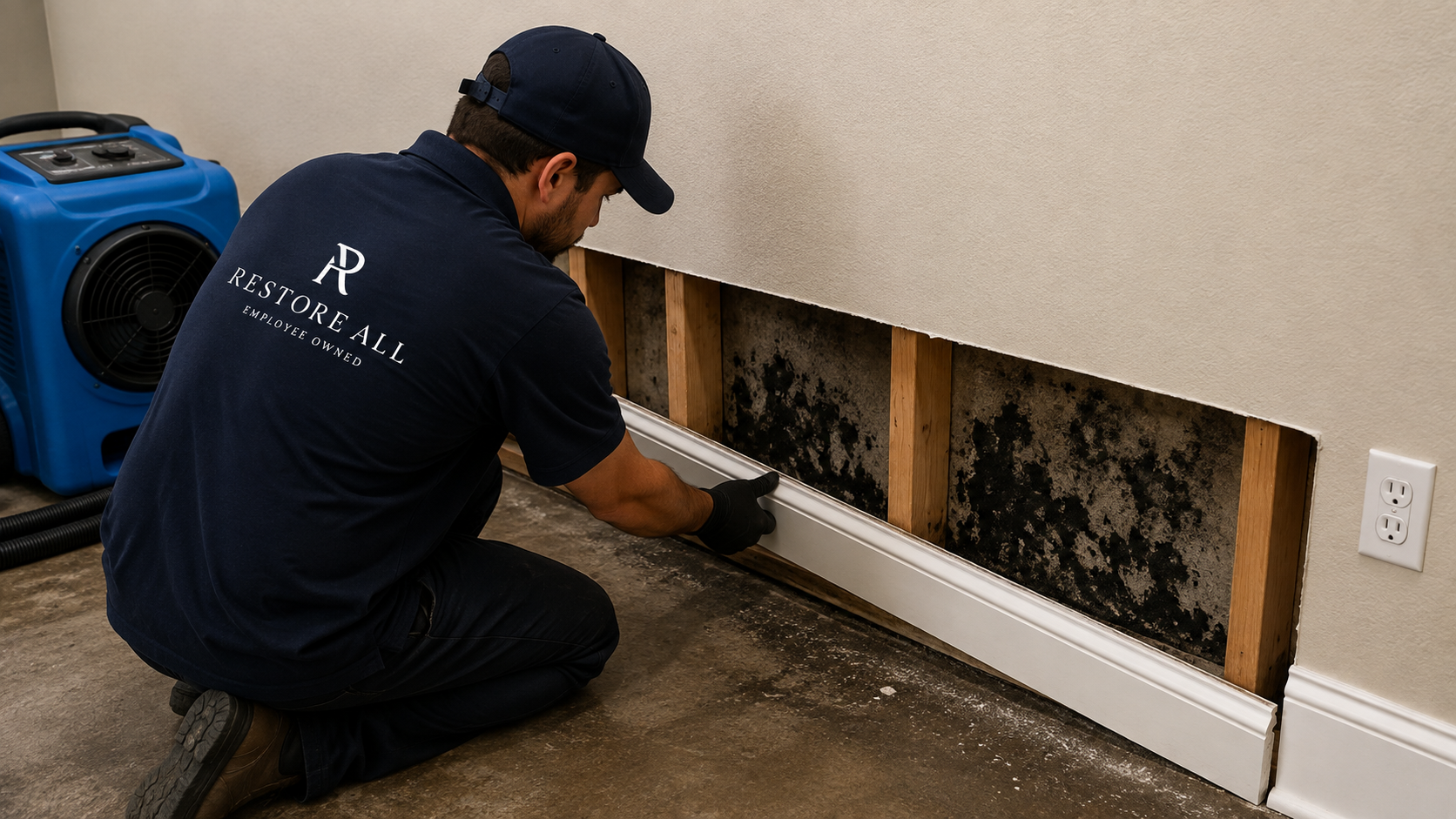
Mold can begin growing within 24 to 48 hours of water exposure, according to the U.S. Environmental Protection Agency (EPA). If your Marietta or Atlanta-area property has taken on water from a storm, a leak, or a flood, that short window is why it's worth checking for signs right away, not waiting to see if a smell or spot shows up first. Catching mold early can mean the difference between a same-day cleanup and a full remediation project.
How Quickly Mold Appears After Water Damage
In warm, humid conditions like a Georgia summer, mold spores can begin colonizing wet materials in as little as 24 to 48 hours. Mold needs three things to take hold: moisture, an organic surface, and warmth, and all three are usually present in a property after a flood or major leak. Drywall, wood framing, carpet padding, and insulation are all organic enough to feed mold growth once they're wet. This is why restoration teams treat the first two days after water intrusion as the critical window for drying a property out, not a target date for "getting to it eventually."
Warning Signs to Look For
The most reliable early signs of mold are a musty smell, visible discoloration, and physical symptoms that show up when you're in the affected area and ease when you leave it. Walk through any room that took on water and check for:
A musty, earthy odor that doesn't clear when you air out the room
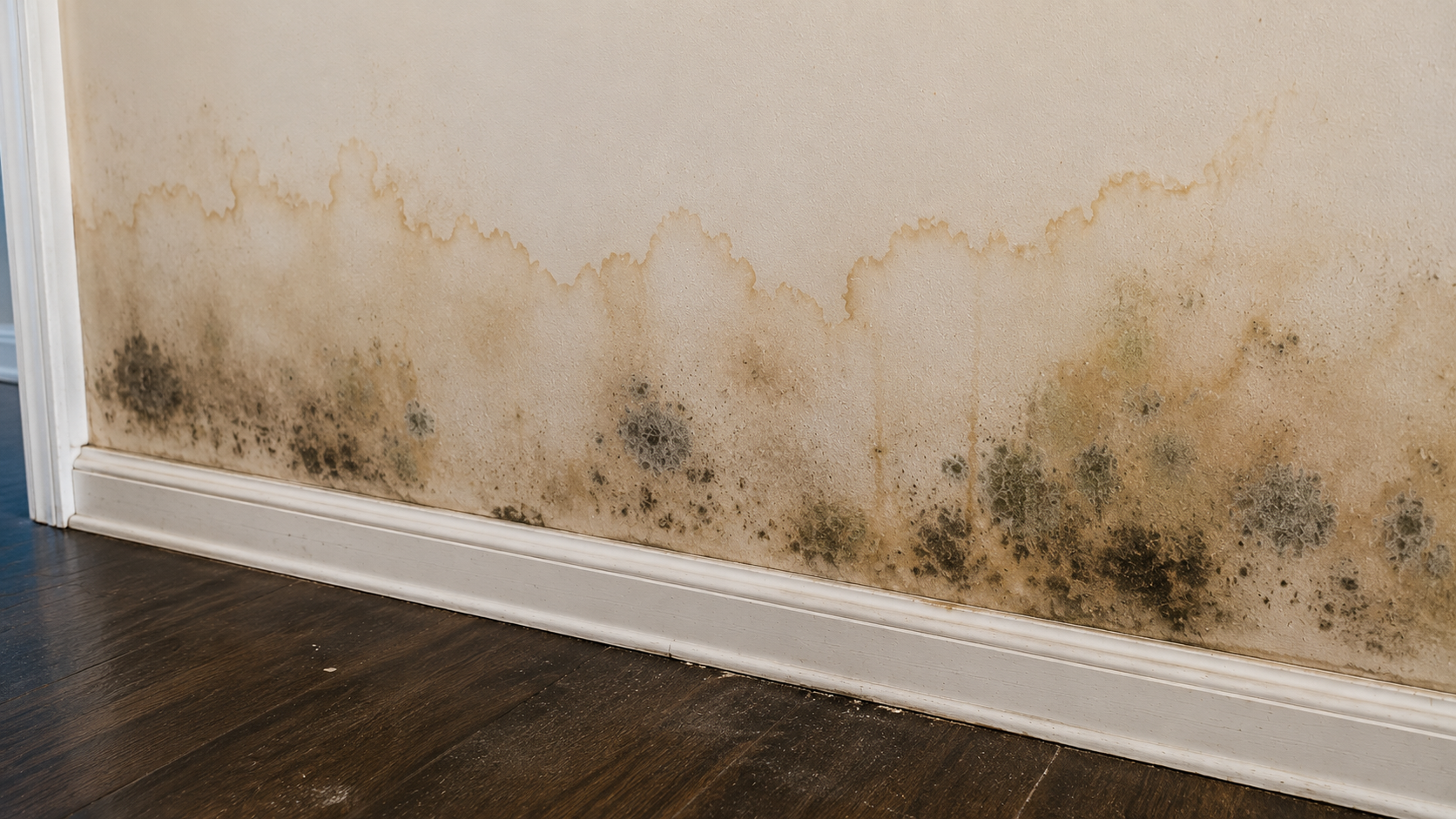
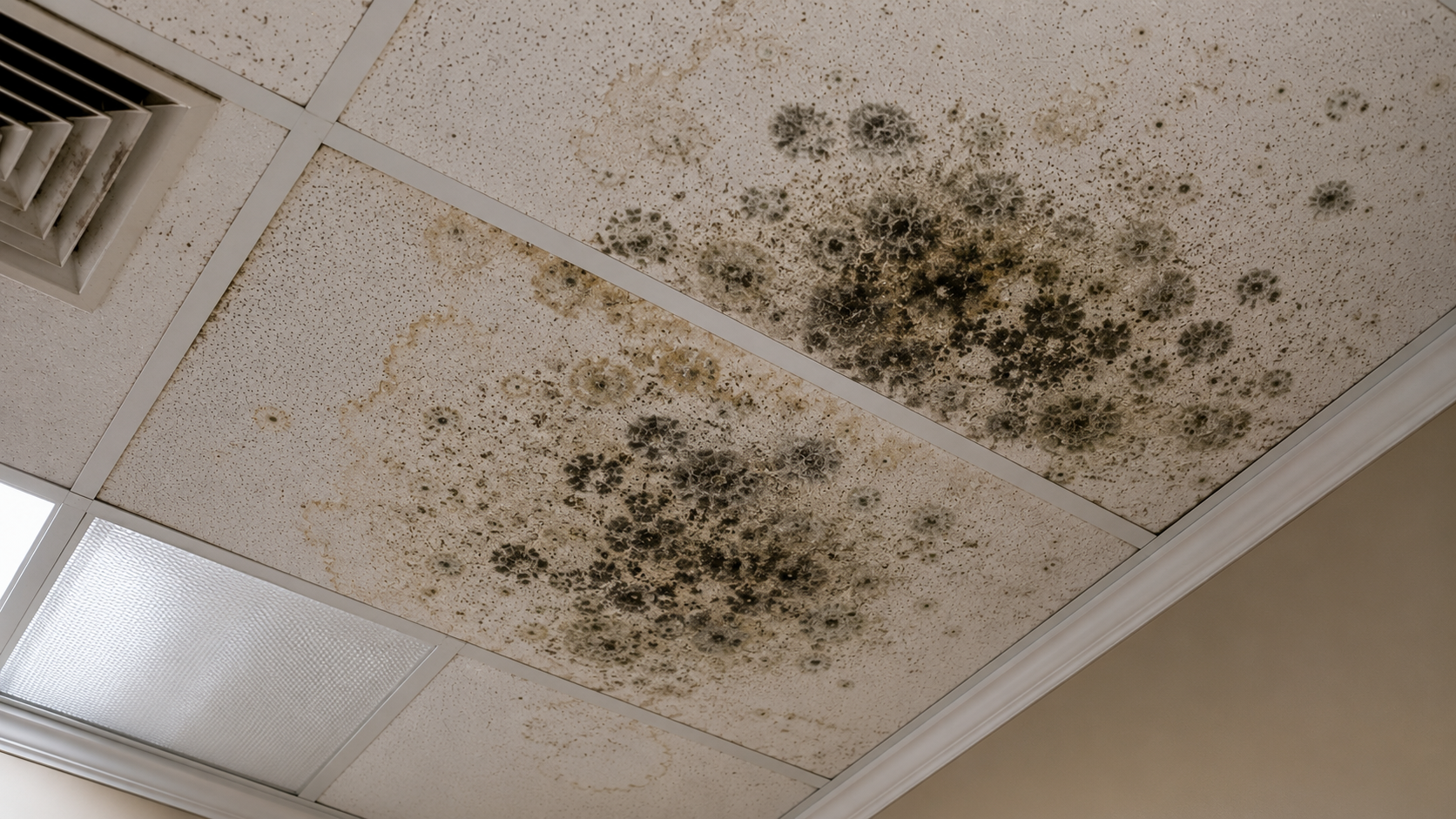
Dark green, black, white, or orange spotting on walls, baseboards, or ceilings
Warping, bubbling, or peeling paint and wallpaper
Persistent condensation on windows, pipes, or cold surfaces
Allergy-like symptoms—sneezing, coughing, itchy or watery eyes—that improve once you're away from the property
If you notice more than one of these, it's worth having the area inspected even if you can't see obvious mold.
Where Mold Hides After a Flood
The mold you can see is rarely the whole problem. It typically starts in places you can't see, where moisture lingers long after the visible water is gone:
Behind drywall and baseboards, where water wicks upward
Under carpet, carpet pad, and vinyl or laminate flooring
Inside HVAC ductwork and around AC units, which can recirculate spores through the whole property
Crawl spaces and basements, where humidity stays elevated well after the surface water has dried
Inside cabinetry and around plumbing fixtures
A surface that looks dry to the touch can still be hiding moisture underneath, which is why a moisture reading—not just a visual check—is part of a real inspection.
Health and Property Risks
Not everyone reacts to mold exposure the same way, and that's worth saying plainly rather than treating every instance of mold as a five-alarm emergency. Reaction to mold varies by individual and by mold species—some people notice allergy-like symptoms or discomfort, particularly those with asthma, allergies, or existing respiratory conditions, while others notice nothing at all. The EPA does not currently endorse a mold testing or sampling protocol for determining a "safe" level of mold in a home, and it recommends focusing on visible growth and moisture control rather than lab testing in most residential situations.
What's consistent, regardless of individual sensitivity, is the property risk: left alone, mold continues to break down the materials it's growing on, and it spreads as long as moisture is present. That combination, an uncertain health impact for some occupants and a certain, ongoing property impact, is the reason a professional inspection after a flood is worth scheduling even if no one in the home is currently reacting to it.
What Professional Mold Inspection and Remediation Involves
A professional mold inspection identifies both the visible growth and the moisture source feeding it, since treating the mold without fixing the moisture problem means it comes back. From there, remediation typically follows a set sequence:
Assessment and moisture mapping—locating every wet area, not just the obvious one
Containment—sealing off the work area so spores don't spread to unaffected parts of the property
Air filtration—negative air machines and HEPA filtration to capture airborne spores during the work
Removal—safely removing and disposing of materials that can't be cleaned, like saturated drywall or carpet
Drying and sanitizing—bringing moisture levels back to normal and treating remaining surfaces
Verification—confirming the area is dry and the mold source has been addressed before closing out the job
Frequently Asked Questions
-
No. Reaction to mold varies by person and by mold type, and the EPA does not treat all mold growth as equally hazardous. That said, any mold growth means there's a moisture problem that needs to be addressed, regardless of how anyone in the home is currently feeling.
-
Small, isolated spots, a few square feet on a hard, non-porous surface, can sometimes be cleaned with soap and water. Mold that shows up after a flood or major water event is usually more extensive than what's visible on the surface, which is why a professional inspection is the safer first step before you start cleaning.
-
Start checking within the first 24 to 48 hours, and don't wait for a smell or visible spotting to show up before you look. If materials are still wet at that point, addressing the moisture immediately is more effective than waiting to see if mold appears.
Worried about mold after water damage?