
What Your Homeowner's Insurance Won't Cover After a Disaster in Georgia
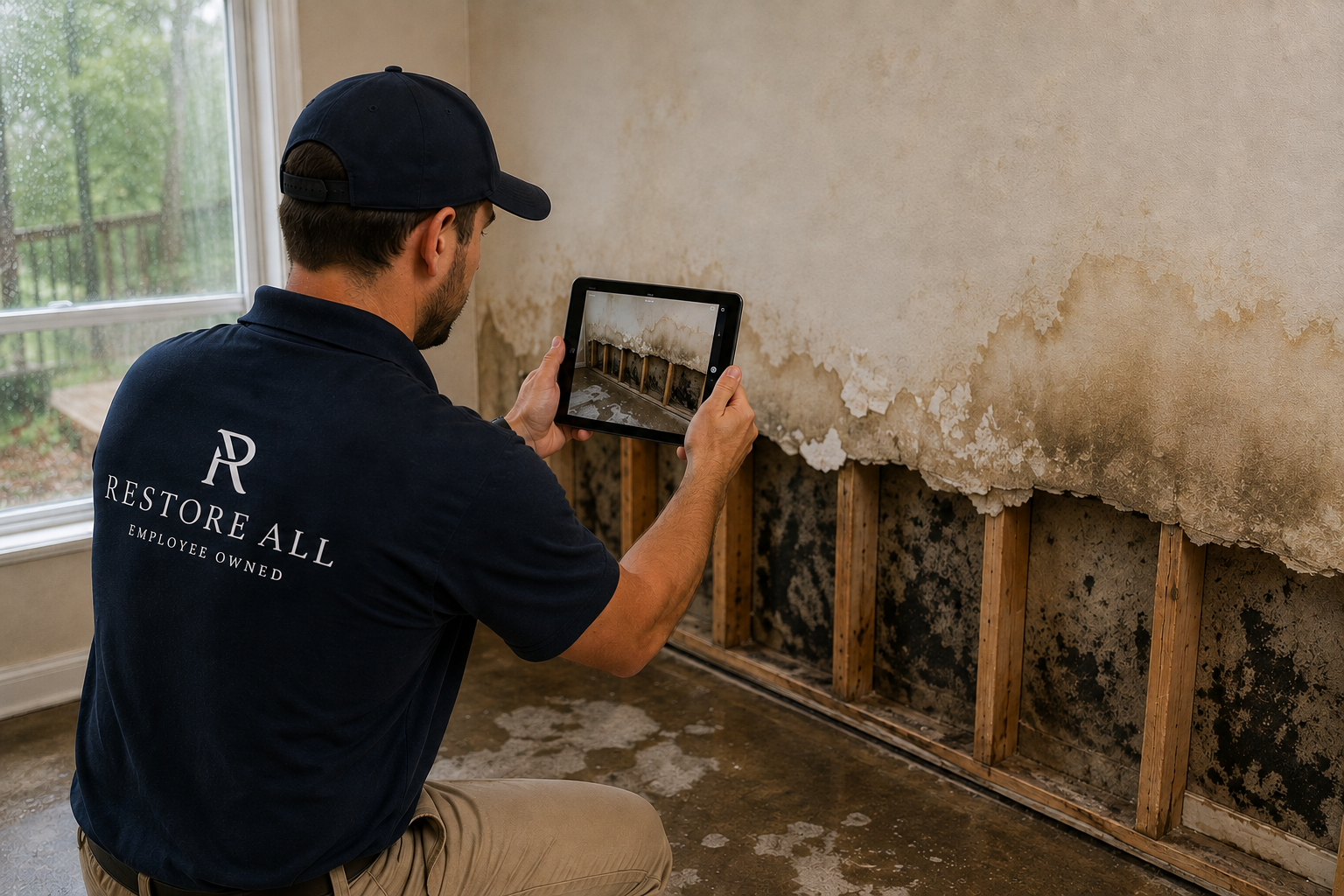
Standard homeowner's insurance policies have real, common gaps, and flooding, gradual damage, and mold are the three most likely to catch Georgia property owners off guard after a disaster. September is National Preparedness Month, observed annually by FEMA, which makes now the right time to check what your policy actually says, before you need it rather than after.
Nothing in this article is insurance, legal, or financial advice. Coverage varies by insurer, policy, and endorsement. Always confirm your specific coverage with your agent or your policy's declarations page.
Flood vs. Water Damage: The Gap That Surprises People
Sudden, internal water damage (a burst pipe, an overflowing washing machine, a failed water heater) is often covered under a standard homeowner's policy. Flooding from rising water outside the home, including storm surge, overflowing creeks, or heavy rain pooling around a foundation, typically is not, and usually requires a separate flood insurance policy through the National Flood Insurance Program (NFIP) or a private flood carrier. FEMA's ready.gov explains this distinction in more detail for homeowners who want to check their own coverage.
This distinction catches people off guard because both events look the same once the water is in the house. The difference, in most policies, is where the water came from and how it got there, not how much damage it did. Georgia properties face this risk even without a direct hurricane landfall: Tropical Storm Chantal in July 2025 brought heavy rain to Georgia without making landfall in the state, even as it caused deadly flooding further north in the Carolinas. If you're not sure whether your policy includes flood coverage, that's a five-minute question for your agent that's worth asking before hurricane season peaks in September.
Gradual Damage and Maintenance Exclusions
Damage that happens slowly—a slow leak behind a wall, a roof that's gone years without maintenance, humidity that built up over months—is one of the most common reasons a claim gets denied. Standard homeowner's policies are generally written to cover sudden, accidental events, not gradual deterioration or deferred maintenance. An insurer that determines a leak had been present for weeks or months before it was reported may treat the resulting damage as a maintenance issue rather than a covered loss.
The practical takeaway: the sooner damage is identified, documented, and addressed, the stronger the case that it was sudden rather than gradual—though how any individual insurer treats a specific claim always depends on the policy language and the details of the loss.
Mold Coverage Limits
Most standard homeowner's policies cap mold-related coverage at a relatively low dollar limit, or exclude mold outright unless it can be shown to have resulted directly from a covered peril, like a sudden pipe burst. Coverage caps vary significantly by insurer, state, and policy: some policies exclude mold entirely, others cap it in the low thousands of dollars, and higher limits are sometimes available as a purchased endorsement. Because mold can begin developing within 24 to 48 hours of water exposure, addressing water damage quickly is one of the few things within a homeowner's control that may help support a mold-related claim—though, again, outcomes always depend on your specific policy and insurer.
What to Do Before and After a Disaster
The strongest position is reviewing your policy before disaster strikes, then documenting everything immediately if it does.
Before a disaster:
Read your declarations page and ask your agent directly whether flood and mold are included, excluded, or capped
Photograph or video your home and belongings now, while nothing is damaged, as a baseline record
Keep a written inventory of major belongings and their approximate value
Ask about separate flood coverage if you're in or near a flood-prone area
After a disaster:
Photograph and video the damage before you start any cleanup, from multiple angles
Contact your insurer promptly to open a claim—most policies specify a reporting window
Keep every receipt related to emergency repairs or temporary housing
Don't wait to address standing water or wet materials while a claim is processed; addressing it quickly protects your property regardless of how the claim is ultimately decided
How Restore All Helps With the Claim
Restore All can document damage in the format insurers commonly use for claims, so you and your adjuster are working from consistent information. We do not determine claim outcomes, approve coverage, or guarantee that any particular type of damage will be covered — those decisions rest with your insurance company. Our role is to document the damage accurately and restore the property, and to make that process easier for you to navigate alongside your insurer.
Frequently Asked Questions
-
Usually not on its own. Flooding from rising water outside the home typically requires a separate flood insurance policy, while sudden internal water damage, like a burst pipe, is more commonly covered under a standard policy. Confirm your specific coverage with your agent.
-
Often only partially, and usually with a coverage cap, unless the mold resulted directly from a covered sudden event. Some policies exclude mold outright. Check your policy's language or ask your agent directly.
-
You can ask your insurer for a written explanation of the denial. If you believe your claim was handled unfairly, you can file a complaint with the Georgia Office of Commissioner of Insurance and Safety Fire, which regulates insurers operating in the state. Filing a complaint doesn't guarantee a particular outcome, but it creates a formal record and a path for review.
Filing a claim after a disaster?